Plant-Based Pasta Perfection
A guide to easy vegan pasta with clever swaps and simple tricks for flavourful plant-based meals.

Alice Shopland
2 min read
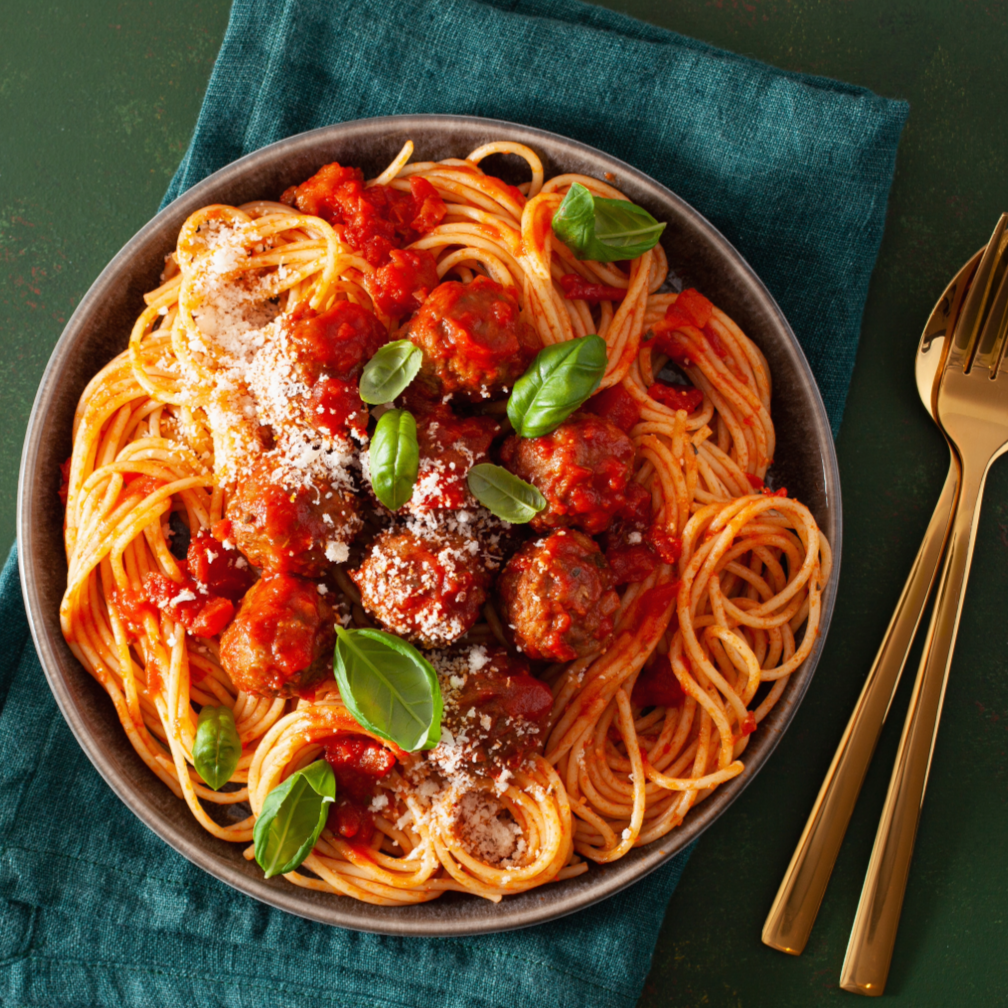
Pasta is delicious and satisfying, and it can also be quick and cheap. It’s perfect for feeding a crowd and with a few tricks up your sleeve it’s no problem to produce vegan versions of old favourites.
Is pasta vegan?
While fresh pasta often contains egg, most dried pasta does not – it’s just flour and water, no egg required. If you’re looking for gluten-free options there is a wide range of noodles made from non-wheat ingredients such as lentils and other legumes (for a high-protein version), rice and even sweet potato. If you’re keen to make your own high-protein pasta you could try Wendy the Food Scientist’s tofu pasta.
Saucing separately
Recipes that cook the pasta and the sauce together are very time efficient and can be a real life saver for hurried weeknight meals. But if you’re cooking the pasta and the sauce separately, make the most of it in your presentation. Add a little of the sauce to the pasta, to add some flavour and loosen it, then add the rest of the sauce on top.
Which shape to use?
It always surprises me how much of a difference the shape of pasta makes – because it’s all made of the same basic ingredients. Although it tastes the same, the different textures mean a different eating experience and we all have our favourites. My favourites are orzo and mini lasagna noodles.
In general thin pasta shapes are best for smooth sauces and wider pasta suits chunkier sauces.
Should I salt the water?
I started salting my pasta water because I thought it would lower the boiling point – turns out it doesn’t really make any difference in that regard. But I still do it because it seasons the pasta and makes it taste great.
Saucy suggestions
It’s easy to make a vegan tomato sauce for pasta but if you’re not used to vegan cooking them creamy sauces can take a bit more thought. I often use a base of:
- Pureed cannellini beans, chickpeas or lentils
- Silken tofu
- White sauce with vegan cheese
- Coconut cream
Not just about the sauce
Not every pasta dish needs a sauce. You can simply stir dairy-free pesto through cooked pasta, for example (try the plant-based pesto from Genoese Foods). And the classic Italian dish aglio et olio is simply olive oil and fresh garlic stirred through cooked pasta, and sprinkled with parmesan (try our vegan version of parmesan).
Not meatballs
Spaghetti and meatballs is a classic combination – falafel patties (I like the Danny’s ones best) make a great vegan version.
Vegan pasta salads
Chunky pasta shapes like macaroni, shells and bowties make great salad bases.
I love to add:
- Vegan mayo or sour cream
- Fresh leafy herbs like coriander or basil
- Salty tasty mix-ins like olives, sundried tomatoes and capers
- Crunchy toasted nuts and seeds
- Sweetcorn, either canned or fresh
- Diced colourful veges, raw (eg capsicum) or roasted (eg kumara or carrot)
- Vegan feta
- Edamame beans or other tinned beans
Bonus question: Is bronze better?
Apparently pasta made using bronze dies – the perforated metal plates that cut and shape the pasta – is superior because the finished product has a rough, porous texture and therefore it absorbs more sauce. Personally I find the cheapest pasta to be perfectly satisfactory.
Written by
Alice Shopland
Sharing plant-based food ideas, kitchen tips and everyday inspiration for the Angel Food community.